Water Damage vs Replacement Drywall: Exact Thresholds (2026)
July 10, 2026

Water Damage vs Replacement Drywall: Exact Thresholds (2026)
⏱️ 9 min read · Last updated: 2026
- Salvage moisture threshold: 15% on a moisture meter reading is the maximum for drywall to be dried in place without removal.
- Time-to-replace window: Professional structural drying must begin within 48-72 hours of saturation to prevent irreversible damage and mold growth.
- Typical drywall replacement cost: $8-$15 per sheet (4×8 panel) for materials, plus $1.50-$3.00 per square foot for labor, averaging $1,200 for a 100 sq ft ceiling.
- Repair vs replace cost gap: Salvage and repair commonly costs 20-40% less than full removal and replacement when conditions allow.
The tension in water damage vs replacement drywall repair decisions often hinges on two precise measurements. For example, a contractor quoted $2,800 for ceiling replacement, but drying first for $900 saved the original drywall. This illustrates how the right choice depends on moisture levels and time elapsed.
Drywall is porous, and once saturated, it begins to lose structural integrity while risking mold growth. Therefore, the decision isn’t guesswork; it’s a calculation based on measurable thresholds. To understand this better, consider signs of water damage in homes before it escalates.
Should I replace drywall after water damage or can it be dried out?
Drywall can be dried out if the moisture meter reading in the gypsum core is below 15% and drying begins within 48-72 hours. Above 15%, the drywall’s structural matrix is compromised. Beyond two to three days, hidden mold growth becomes a significant risk, even if the surface appears dry.
Think of drywall as a rigid sponge. When it absorbs enough water, the gypsum crystals weaken. The key metric is moisture percentage relative to weight, not just surface dampness. You need a pin-type moisture meter for accurate readings. Learning how to use a moisture meter is crucial for this assessment.
The Step-by-Step Salvage Decision Tree
- Stop the source and assess. Fix the leak immediately. Check for pooling water on the floor, indicating full saturation.
- Measure moisture. Use a pin-type moisture meter to get a core reading. Document it. Under 15% means salvage is viable.
- Check the clock. If under 48 hours and moisture is low, proceed with drying. Over 72 hours suggests replacement.
- Initiate structural drying. Set up commercial dehumidifiers and high-velocity fans for airflow. Don’t just air it out.
- Monitor and re-test. Take readings every 12 hours. Aim for a downward trend toward the dry standard (1-4% for drywall).
- Do NOT paint or mud prematurely. Applying primer or joint compound over damp drywall traps moisture and causes failure.
How wet is too wet to save drywall after a leak?
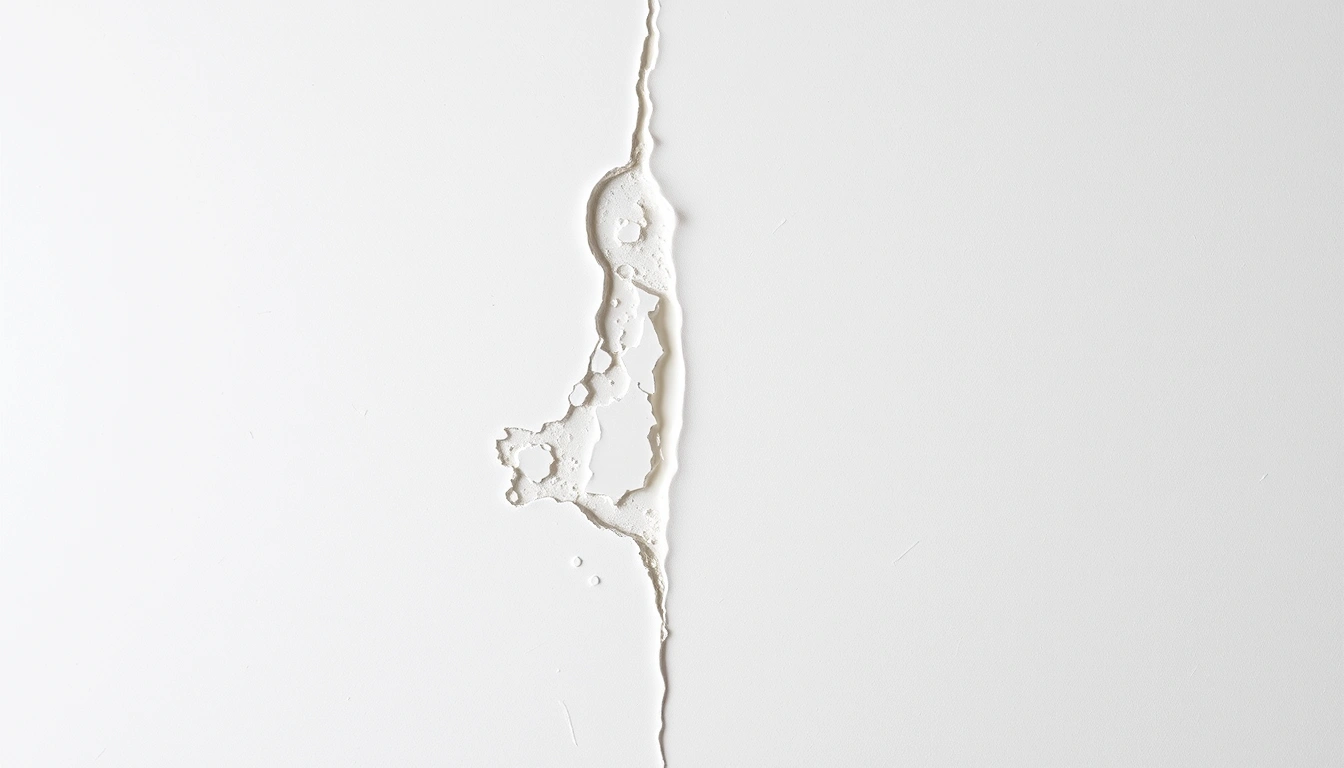
Drywall is too wet to save when moisture readings consistently exceed 15% after drying attempts, or if saturated for over 72 hours. At this point, the structural paper facing may delaminate, and mold growth begins. A water-stained ceiling often signals prolonged exposure, as stains appear after 12-24 hours of wetness.
Visual and Tactile Red Flags for Replacement
- Soft, spongy texture: Pressing gently reveals a dough-like feel, indicating lost gypsum integrity.
- Warped, buckled, or sagging panels: Fasteners pull through as panels fail; these cannot be dried to a flat, installable state.
- Visible mold or mildew (any color): Fuzzy patches are a non-negotiable replace signal.
- Affected area larger than 4×4 feet: Large-scale saturation is harder to dry in place and increases mold risk.
- Contaminated water source: Sewage or flood water requires removal regardless of moisture level.
The Correct Way to Dry Wet Drywall — Step by Step
Proper structural drying is a controlled process using psychrometrics—the science of air properties—to reduce water activity. Professionals manipulate temperature, humidity, and airflow for efficient drying. For comprehensive guidance, see DIY water damage repair tips.
The Professional Drying Protocol
- Contain the area. Use plastic sheeting to isolate the wet zone and prevent moisture migration.
- Establish airflow. Position high-velocity air movers to create a vortex across the wet surface.
- Manage humidity. Place a commercial dehumidifier to keep relative humidity below 40%.
- Monitor constantly. Track temperature, humidity, and moisture levels twice daily for a drying curve.
- Consider injectidry systems. For wall cavities, professionals may push dry air behind drywall without removal.
- Verify drying completion. Drywall is dry when readings are within 1-2% of the dry standard.
A structural drying setup with proper containment typically costs $300-$800 per room, preventing a $2,000+ replacement and protecting air quality.
Drywall replacement cost: When it’s the only safe option
When thresholds are exceeded, replacement is necessary. In 2026, drywall replacement cost ranges from $1.50 to $3.00 per square foot for labor, with sheets costing $8-$15. A 100 sq ft ceiling replacement totals $1,200 to $2,500, including removal, installation, and finishing. This process involves careful removal, framing inspection, and vapor-resistant primer.
Repair vs replace cost: doing the real math
Comparing repair vs replace costs shows clear savings. A proper water damage repair—drying, spot treatment, and re-texturing—might cost $300-$800. Full replacement of the same section runs $600-$1,500. However, attempting repair on over-threshold drywall risks failure, leading to higher costs later. The 15% and 48-hour rules minimize this risk. For more on costs, explore water damage restoration cost per square foot.
The part everyone gets wrong about water-stained ceilings
The biggest mistake is focusing on stains rather than moisture content. Stains are symptoms; the real problem is structural decay from water. Primers can hide stains but not reverse damage. Additionally, leaks often saturate beyond visible areas, such as wall cavities, so treat all potentially affected zones.
The bottom line
In water damage vs replacement drywall repair, speed and measurement are everything. If caught early (under 48 hours) with moisture below 15%, professional drying can save the original material. If thresholds are breached, replacement is safer. Always measure first—a moisture meter costs little compared to unnecessary replacements.
Your immediate step is to get a pin-type moisture meter. If you have a recent leak, take a reading now to guide your plan. For comprehensive help, review water damage restoration cost per square foot data. If complex, professional water damage restoration services offer monitoring equipment. Check if special permits are needed by reviewing water damage restoration permit requirements. Finally, verify insurance coverage by understanding how homeowners insurance covers your situation.
- The salvage threshold for drywall is a moisture meter reading of 15% or less.
- Professional drying must begin within 48 hours of saturation for high success rates.
- Replacement is necessary if readings exceed 15%, time exceeds 72 hours, or mold is visible.
- Always measure first—the cost of a moisture meter is negligible compared to unnecessary replacement.
Common Questions About water damage vs replacement drywall repair
What determines if drywall can be saved after water damage?
Two primary factors: the moisture meter reading and the time elapsed. Drywall can typically be salvaged if the moisture content is below 15% and professional drying begins within 48 hours.
How to dry out wet drywall properly?
Use commercial dehumidifiers and high-velocity air movers in a contained area. Keep humidity below 40% and monitor moisture levels every 12 hours until they reach the dry standard.
Repairing drywall vs replacing it after water damage — which is cheaper?
When conditions allow salvage, drying and repair is generally 20-40% cheaper. A proper repair costs $300-$800 for a small section, versus $600-$1,500 for full replacement.
Why is my drywall still soft weeks after a leak?
The drywall was likely saturated beyond 48 hours or has moisture readings above 15%. The gypsum core has lost structural integrity, and replacement is the only fix—it will not dry hard again.
How much does water damaged drywall replacement cost?
Material costs for a standard 4×8-foot sheet are $8-$15. Total installed cost averages $1.50-$3.00 per square foot, with a typical 100 sq ft ceiling replacement running $1,200-$2,500.
See also: water damage restoration [city]
See also: water damage restoration permit requirements
See also: does homeowners insurance cover water damage
Related: after-hours surcharge
Related: roof repair [city]
Related: roof repair vs replacement cost decision