How to Choose an HVAC Contractor Without Getting Burned
July 10, 2026
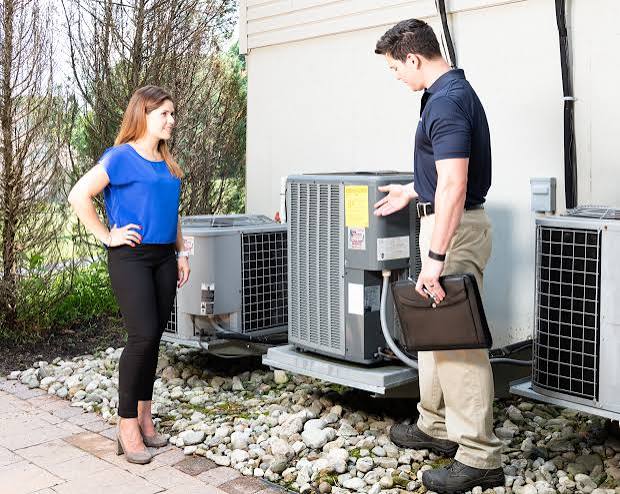
How to choose an HVAC contractor without getting burned
⏱️ 8 min read · Last updated: 2026
Choosing the right HVAC contractor protects your comfort, your warranty, and your wallet. The safest choice is a licensed, insured contractor who uses a Manual J load calculation, employs NATE certified technicians, and puts labor and permit terms in writing before work begins.
- $3,000–$6,000 is a common quote spread for the same HVAC job between contractors.
- 20–30% less energy use is possible with a properly sized residential system versus an oversized one.
- 50% of residential HVAC systems are oversized at installation, according to ACCA industry data.
- 5 to 10 years is the typical parts warranty range for residential HVAC equipment.
- 60–90 days is the common registration window required to activate the full manufacturer warranty term.
The average homeowner gets three HVAC quotes and picks the middle one. That sounds sensible until you learn that two contractors may never have measured the home. Knowing how to choose an HVAC contractor correctly means checking credentials, sizing methods, permits, and warranty terms before anyone starts the job.
I’ve watched a neighbor spend $9,400 on a new system that short-cycled every summer because the contractor oversized it. The fix cost another $1,200 two years later. The warning sign was there from the start: the original contractor never mentioned a Manual J load calculation.
This guide covers both replacement and repair scenarios. The details below show how to separate competent contractors from the ones who rely on guesswork, shortcuts, or vague sales language.
The credentials that actually matter and how to verify them in five minutes
A licensed, bonded, and insured contractor is the minimum standard. In most states, HVAC work requires a specific mechanical or HVAC contractor license, not a general contractor license. You can verify license status in minutes through your state contractor licensing board.
NATE certification is the most recognized technician credential in HVAC. It belongs to the individual technician, not the company. If a company says its techs are NATE certified, ask how many and ask for the certificate number.
Look for these items in this order:
- State HVAC contractor license — current, active, and in the legal business name
- General liability insurance — ask for the certificate of insurance
- Workers’ compensation insurance — important if a worker is injured at your home
- EPA 608 certification — required for refrigerant handling
- Manufacturer dealer status — useful when full warranty activation depends on authorized installation
Quick check: If a contractor cannot produce a license number and insurance certificate within 24 hours, move on. That delay is a signal, not a minor inconvenience.

How do I know if an HVAC contractor is quoting me the right size system?
You know the contractor is quoting the right size system when they perform a Manual J load calculation before recommending equipment. Manual J is the ACCA-standard method for sizing HVAC systems based on square footage, insulation, windows, climate, ceiling height, and ductwork.
Most contractors skip this step and use a rough square-footage rule instead. That shortcut ignores the factors that actually control heating and cooling load, so the result is often an oversized system.
An oversized HVAC system short-cycles. It cools too fast, shuts off early, and leaves humidity behind.
Oversizing is one of the most costly HVAC mistakes in residential work. A system that is one ton too large can cost more upfront, wear out faster, create humidity problems, and increase energy bills by 15–25% year-round.
Use these checks before you approve a quote:
- Ask, “Do you run a Manual J load calculation before recommending system size?”
- Ask what software they use. Common tools include Wrightsoft and Elite Software.
- Request the load calculation report with the quote.
- Compare tonnage recommendations across bids and ask for a written explanation if they differ.
- Use the Energy Star sizing calculator at energystar.gov as a rough sanity check.
Quick check: If a contractor quotes equipment size without mentioning Manual J, treat the recommendation as a guess.
Why HVAC quotes vary by thousands of dollars for the same job
HVAC quotes for the same home often differ by $3,000–$6,000. The gap usually comes from sizing, brand tier, labor rates, permits, and what the contractor includes in the scope.
| Situation | Best path | Why other options often fail |
|---|---|---|
| Quotes vary by more than $4,000 | Ask each contractor to itemize labor, equipment, and materials | Lump-sum quotes hide upsizing and labor shortcuts |
| Lowest quote is 40%+ under others | Ask what permits are included and whether ductwork will be inspected | Low bids often exclude permits and shift risk to the homeowner |
| One contractor recommends a larger unit | Request the load calculation before accepting the larger size | An upsell can add $500–$1,500 upfront and increase long-term energy costs |
| One contractor is higher but offers a longer labor warranty | Compare warranty terms in writing | Cheap installs with 90-day labor warranties often cost more later |
Permits also explain a lot of price differences. Some contractors pull permits automatically, while others skip them to save time and money. In most jurisdictions, HVAC replacement requires a permit, and skipping it can void insurance or complicate a home sale. Review hvac permit requirements replacement before you compare bids.
Quick check: If a quote does not list permits as a line item, ask for that detail in writing before you sign.

What should I ask before hiring an HVAC company?
Ask seven direct questions before you hire an HVAC company. The best contractors answer with specifics, not vague promises.
- “Will you run a Manual J load calculation before recommending a system size?”
- “Can I see your current state license number and certificate of insurance?”
- “Are the technicians on this job NATE certified? Can I have their certification numbers?”
- “What permits will you pull, and will you handle the inspection?”
- “What does your labor warranty cover, and for how long?”
- “Will the equipment warranty require registration, and will you handle that?”
- “Have you worked on homes similar to mine in age and square footage?”
If you are still deciding whether you need a replacement, the repair or replace HVAC system decision guide explains when repair makes more financial sense.
Quick check: A contractor who answers all seven questions clearly is worth a quote. If they dodge questions 1, 2, or 5, expect corners to be cut elsewhere.
Understanding HVAC warranty length before you sign
HVAC warranty length matters, but only if you understand what it covers. Most systems have two parts: a parts warranty and a labor warranty.
Parts warranties on residential equipment usually run 5 to 10 years. Labor warranties vary more widely, from 90 days on budget installs to 2 years on stronger service agreements.
Many manufacturer warranties, including Carrier and other major brands, require registration within 60–90 days to get the full term. Without registration, the coverage may drop to a shorter base term, often 5 years instead of 10.
A 10-year parts warranty is only useful if the labor warranty is strong enough to make the repair affordable.
Review these exclusions in writing before you sign:
- Annual maintenance requirements
- Filter change documentation
- Geographic restrictions
- Transferability to a new owner
Quick check: If the labor warranty is under 1 year, treat it as a warning sign and factor it into the price comparison.
When the standard advice breaks down
Most people are replacing a standard residential system in a single-family home. These situations change the decision.
Rental property or investment property
The cheapest licensed contractor can be the right call for a rental. Focus on response time and parts availability. Ask whether the company services commercial accounts, since that often affects callback speed.
Home built before 1980 with original ductwork
Do not treat this as a simple equipment swap. Older ducts are often undersized or leaky. Ask for a duct leakage test or blower door test before you approve a replacement.
You live in a high-humidity climate
Oversizing is even more damaging in humid regions like Houston, Miami, and coastal areas. A system that short-cycles will not dehumidify properly. Ask about variable-speed or two-stage compressors.
You already had one bad contractor experience
Start with the permit record. Check your local building department to see whether previous work was permitted and inspected. That history can affect what the next contractor can do.
You are comparing a local company to a national chain
Neither is automatically better. The real difference is technician quality. A local company with NATE certified techs can outperform a bigger chain with weaker field training. For local pricing context, see the hvac repair cost guide.
You are getting quotes in the off-season
Fall and spring often bring better pricing and more availability. Some contractors also assign less experienced crews during slow periods, so ask who will be on-site.
Common questions about how to choose an HVAC contractor
What certifications should an HVAC contractor have before I hire them?
At minimum, a contractor should have a current state HVAC or mechanical license, EPA 608 certification for refrigerant handling, and at least one NATE certified technician. NATE is the most meaningful third-party credential because it belongs to the technician, not the brand.
How do I vet an HVAC contractor before letting them into my home?
Ask for the license number, general liability certificate, workers’ compensation coverage, and NATE certification numbers before scheduling a visit. Then verify the license on your state board website and look for repeated review complaints about oversizing, no-shows, or warranty problems.
Is a local HVAC company or a national chain better for a full system replacement?
Neither is automatically better. Technician quality matters more than company size. Local companies often offer faster service and more flexible pricing, while national chains may have stronger manufacturer partnerships and standardized training.
Why do HVAC quotes vary by $3,000 or more for the same job?
The difference usually comes from equipment size, permit inclusion, labor warranty length, and the scope of work. Ask for an itemized quote so you can see whether the higher price reflects better work or just a bigger markup.
How long should an HVAC labor warranty last from a reputable contractor?
A reputable contractor often offers 1 to 2 years of labor coverage on a full installation. Anything under 12 months is below the standard you should expect for replacement work.
What is a Manual J load calculation and do I really need one?
A Manual J load calculation is the ACCA-standard method for sizing HVAC equipment based on your home’s real heating and cooling needs. Yes, you need one for a full replacement because contractors commonly oversize systems when they skip it.
The bottom line
Most homeowners do not lose money on HVAC because they picked the wrong brand. They lose money because they hired a contractor who sized the system by guesswork instead of data.
Verify the license. Confirm insurance. Check NATE certification by technician name. Get the labor warranty in writing. And require a Manual J load calculation before you accept any equipment size.
Start with one step this week: email your top two contractor candidates and ask how they determine system size. Their answer tells you a lot.
See also: hvac permit requirements replacement
See also: hvac repair
See also: hvac industry statistics energy data
See also: hvac repair [city]
See also: hvac permit requirements replacement
See also: roof repair [city]