HVAC Permit Requirements for Replacement: What Triggers One
July 10, 2026
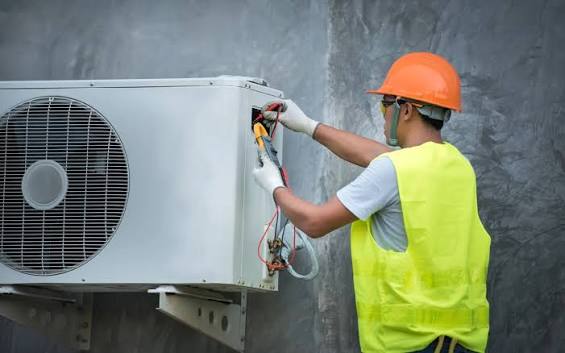
HVAC permit requirements for replacement: what actually triggers one
⏱️ 7 min read · Last updated: 2026
If you are replacing a central air conditioner, furnace, heat pump, or air handler, you usually need a mechanical permit. That rule surprises many homeowners, but it protects you from code violations, failed inspections, and problems during resale or insurance review. Permit offices care about what changed in the system, not whether the job looks simple or uses the same equipment size. In most U.S. jurisdictions, a like-for-like replacement still needs approval and at least one inspection.
- Permit fee range: $50–$300 for most residential HVAC replacements; complex commercial systems or ductwork additions can push $500+.
- Permit processing time: Online applications typically approved in 1–3 business days; over-the-counter same-day in many counties; mail-in applications can take 10–15 business days.
- Inspection requirement: Most jurisdictions require at least one inspection after installation, often a rough-in check and a final sign-off.
- Permit-required scope: Full unit replacement of an air handler, condenser, furnace, heat pump, or boiler almost always requires a mechanical permit.
- Code standard in 2026: Most U.S. municipalities have adopted the International Mechanical Code (IMC) 2021 or 2024 edition as the governing HVAC code for residential installs.
Your contractor might mention a permit in the fine print. Or they might not mention it at all. Homeowners usually find out about HVAC permit requirements replacement the hard way: after a failed home sale inspection, a surprise insurance query, or a city notice taped to the front door.
The core question is straightforward. Do you need a permit because you are replacing HVAC equipment? In most cases, yes. The answer hinges on the equipment type and the work’s scope, not merely on whether the job is labeled a repair or a simple swap.
The equipment-and-scope trigger map
A permit is usually triggered first by equipment type, then by scope of work. Cost doesn’t control it. Permit offices examine what changed in the mechanical system. They focus on whether that change affects safety, efficiency, or current code compliance.
Here’s how the most common residential scenarios break down:
| Equipment / scope | Permit required? | Why other assumptions fail |
|---|---|---|
| Central AC condenser (same tonnage) | Yes — almost universally | “Same size” does not exempt it; refrigerant connection changes trigger code review |
| Gas furnace replacement (same BTU) | Yes — required in nearly all jurisdictions | Gas line and venting changes must be inspected regardless of size match |
| Heat pump (air-source, new install or swap) | Yes — mechanical and often electrical permit | Dual-fuel systems may need separate gas and electrical permits |
| Air handler replacement (indoor unit only) | Yes in most states | Homeowners often assume indoor-only work is exempt, but refrigerant lines still require HVAC code review |
| Evaporator coil replacement only | Varies — check locally | Some jurisdictions exempt coil-only swaps; others treat it as a system alteration |
| Ductwork addition or significant modification | Yes — mechanical permit required | Adding duct runs changes load balance; code-compliant installs require Manual D verification |
| Refrigerant recharge only (no component swap) | No permit — EPA 608 certification required instead | Permit offices do not govern refrigerant handling; EPA does |
| Filter, belt, or thermostat replacement | No | Maintenance items are universally exempt from permit requirements |
Quick check: If your contractor disconnects and reconnects refrigerant lines, replaces a combustion appliance, or touches any gas connection, assume a permit is required until your local permit office says otherwise.
Do I need a permit to replace my AC or furnace?
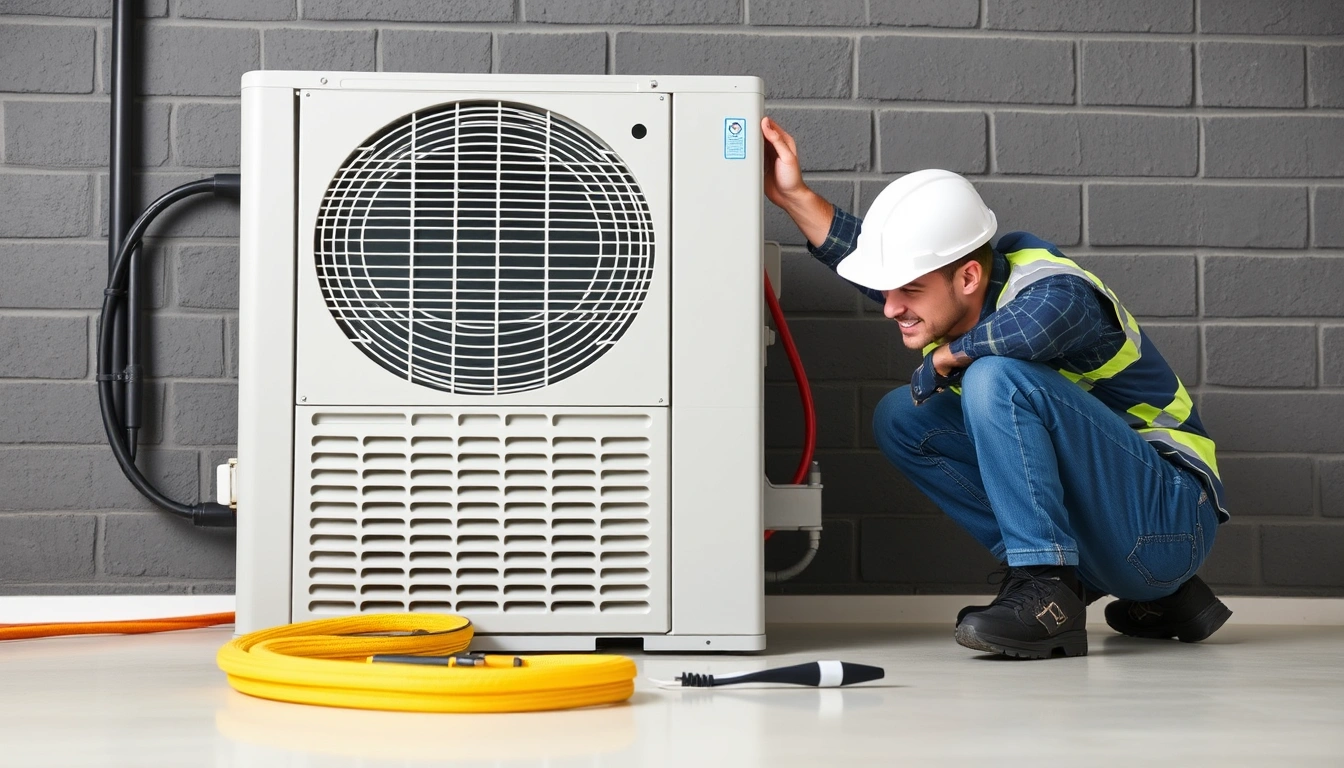
Yes, replacing a central AC unit or furnace usually requires a mechanical permit. That holds true across the vast majority of U.S. jurisdictions. It applies even when the installer uses the same brand, same size, and same fuel type. The permit verifies that the new installation meets current HVAC code, which may be quite different from the code in place when the old system was installed.
The International Mechanical Code (IMC), adopted in some form by most states, treats full equipment replacement as an alteration rather than maintenance. That classification is what triggers the permit requirement. A few rural counties and unincorporated areas still exempt residential replacements, but they’re the exception in 2026.
In most U.S. jurisdictions, replacing a furnace or central AC without a mechanical permit is a code violation, even if a licensed contractor does the work and even if the equipment is identical.
If you’re still weighing repair versus replacement, a repair or replace HVAC system decision comes first. The scope of the work then determines which permits you need.
What about window units and mini-splits?
Window AC units are almost always exempt. They typically don’t need a permit, an inspection, or HVAC code review. Ductless mini-splits are different. A single-zone mini-split in a permit-exempt area might avoid a permit, but a multi-zone system with a dedicated electrical circuit usually triggers both a mechanical and an electrical permit.
Quick check: If installation requires a new circuit breaker or a refrigerant line set, call your permit office before you schedule the contractor. A five-minute call beats a stop-work order any day.
When does HVAC work require an inspection?
If you pulled a mechanical permit, an inspection is usually required before the job is closed. The number of inspections depends on the project’s size and complexity.
For a basic condenser or furnace replacement, most jurisdictions require one final inspection after installation and before permanent use. Larger jobs, including ductwork additions, new air handlers with modified returns, or combined mechanical and electrical work, may also need a rough-in inspection before walls are closed up.
What the inspector is actually checking
The inspector checks more than whether the system turns on. A code-compliant inspection usually covers equipment sizing, refrigerant line support, condensate drainage, gas connections, venting, electrical disconnect placement, breaker sizing, and clearances from combustibles.
- Correct equipment sizing relative to the home’s Manual J load calculation
- Proper refrigerant line insulation and support
- Condensate drainage routed correctly and with an air gap or trap
- Gas line connection integrity and correct venting for combustion appliances
- Electrical disconnect placement and proper breaker sizing
- Clearances from combustibles, especially for furnaces and heat pumps
Quick check: Ask your contractor for the permit before work starts and the signed inspection report after approval. Keep both documents. They matter when you sell the house or file an insurance claim.
How to get a mechanical permit for HVAC replacement
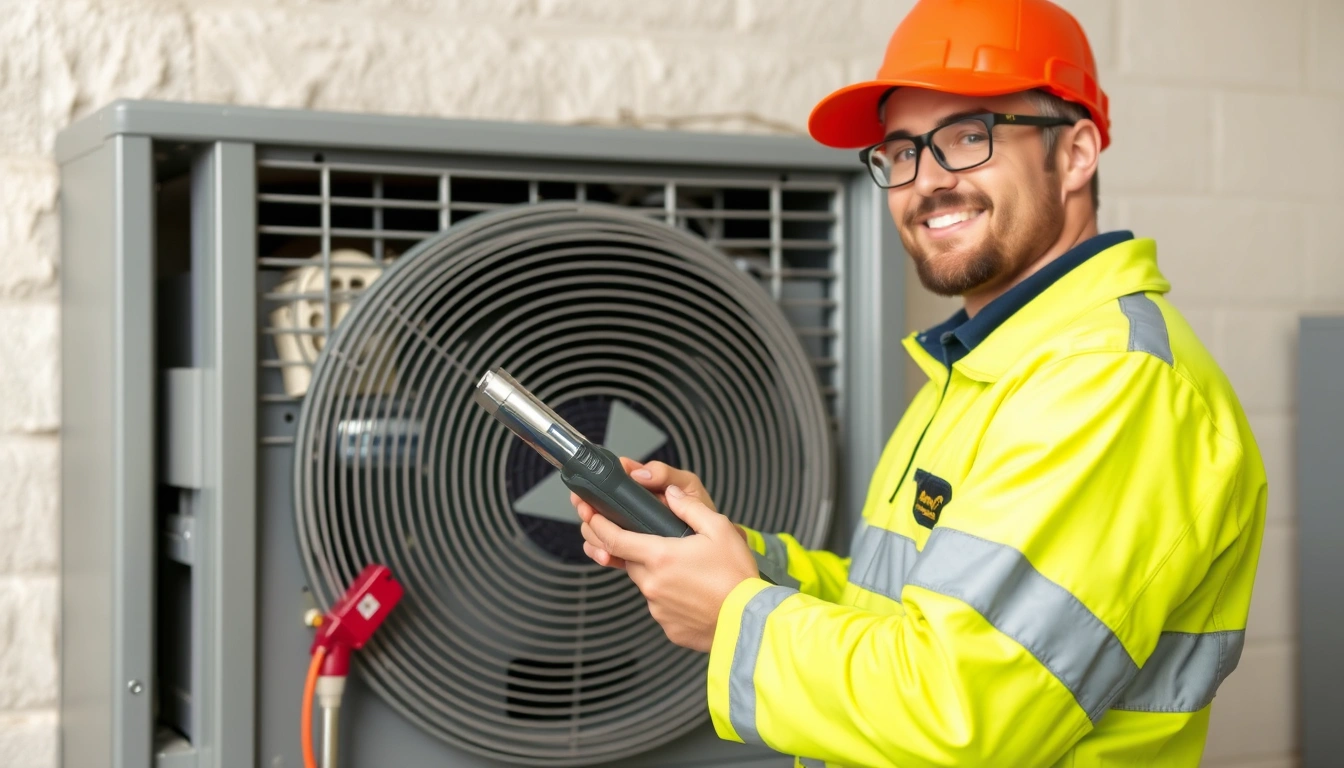
Getting a mechanical permit for HVAC replacement usually follows a five-step process. A licensed HVAC contractor often handles the filing, but homeowners should still know the steps. You can catch missing paperwork that way.
- Confirm your jurisdiction’s requirements. Go to your city or county building department website and search “mechanical permit residential HVAC.” Most permit offices have a residential HVAC replacement checklist. If your area uses eTRAKiT, PermitCenter, or MyGovernmentOnline, applications are filed online.
- Prepare the application documents. You typically need the equipment manufacturer and model number, the BTU or tonnage of the replacement unit, the property address and legal description, and the contractor’s license number and insurance information.
- Submit the application and pay the permit fee. Online submissions are usually processed in 1–3 business days in most metro areas. Over-the-counter submissions can be same-day. The permit fee range for a standard residential HVAC replacement is $50–300, with most falling between $75 and $150.
- Post the permit on-site. The issued permit must be visible at the job site before work begins. In practice, this means it is either physically posted near the equipment or accessible digitally by permit number.
- Schedule and pass the inspection. After installation, the contractor or homeowner schedules the inspection through the permit office, usually through the same portal used to apply. Most jurisdictions give a 48–72 hour scheduling window. After passing, request the signed inspection record.
Quick check: If your contractor says permits “take too long” or “aren’t necessary for a swap,” that is a red flag. A reputable contractor includes permit fees in the quote and pulls the permit in their name because the permit creates accountability for the installation.
What permit fees actually cost — and what drives them up
The permit fee range for residential HVAC replacement is $50–$300 in most U.S. jurisdictions, based on 2026 data from publicly available municipal fee schedules. The variation is real. The fee structure determines how high the final bill goes.
Most permit offices use one of three fee structures: flat fee per project type, valuation-based fees, or fees based on BTU capacity. Flat fees are the most predictable. Valuation-based fees can push a $10,000 HVAC replacement into the $200–$400 permit fee range.
| Fee structure type | Typical permit fee range | When it costs more |
|---|---|---|
| Flat fee (most common) | $50–$150 | Rarely — fee is fixed regardless of system size |
| Valuation-based | $100–$400+ | High-end systems or large commercial units |
| BTU/tonnage-based | $75–$200 | Large homes, multi-zone systems, 5-ton+ units |
| Combination (flat + inspection fee) | $100–$300 total | Jurisdictions that charge separately for each inspection visit |
Permit costs vary by location, and a hvac repair cost guide can help you estimate total project costs in your market. That makes it easier to judge whether a contractor’s permit fee quote is reasonable.
Quick check: Look up your city’s fee schedule directly. Most are posted online as PDFs. Search “ building department fee schedule mechanical permit.” If you cannot find it, call. The permit fee should not surprise you on the final invoice.
When the standard rules break down
The usual rule is simple: replacement requires a permit. That rule still applies most of the time.
1. Mobile homes and manufactured housing
Mobile homes follow HUD standards under 24 CFR Part 3280, not the International Mechanical Code. In many states, replacing HVAC equipment in a manufactured home requires a HUD-label installer and a separate state-level inspection rather than a standard municipal mechanical permit. A regular permit will not satisfy that requirement.
2. HOA communities with separate approval layers
Even after a municipal permit is issued, some HOAs require separate approval for exterior changes such as condenser placement, line set routing, or disconnect box location. The permit does not override HOA rules. If you skip HOA approval, you may have to move the equipment after installation.
3. Historic districts
In a historic district, the permit office may route your mechanical permit to a historical review board before approval. That can add 15–30 days to the normal 1–3 day processing time. If your home is in a locally designated historic district, ask about the routing process before you schedule the contractor.
4. Equipment in condominiums
Condo HVAC replacement involves two authorities at once: the municipal permit office and the condo association’s governing documents. The permit covers code compliance. The condo documents control equipment type, venting, and work hours. Missing either one can cause problems, and the association can reject a permitted installation.
5. Systems in unincorporated county areas
Unincorporated areas outside city limits sometimes have no HVAC permit requirement at all, or the county enforces the rule instead of a city building department. This happens more often in rural counties. Check with your county building department directly.
6. Replacing equipment after an unpermitted original install
If the existing system was installed without a permit, replacing it may trigger a review of the original work. The permit office can require corrections to the original unpermitted installation before it approves the new equipment. That is rare, but it happens in jurisdictions with stronger code enforcement in 2026.
Permit paperwork matters for other home projects too. The process is similar to water damage restoration permit requirements, where you need the paperwork before the work. The same pattern appears in roofing permit requirements by state, which also vary by jurisdiction.
Quick check: If your situation matches any of the six scenarios above, contact the permit office directly before you apply. Describe your exact circumstances instead of assuming the standard path applies.
- Replacing a central AC, furnace, heat pump, or air handler requires a mechanical permit in almost all U.S. jurisdictions; “like-for-like” is not an exemption.
- Permit fees usually range from $50–$300 for most residential replacements, and valuation-based structures can increase the total cost.
- Permit processing takes 1–3 business days online in most metro areas, and at least one inspection is required before the equipment is code approved.
- Six scenarios break the standard rule: manufactured housing, HOA communities, historic districts, condos, unincorporated counties, and homes with existing unpermitted work.
Common questions about HVAC permit requirements replacement
What HVAC work requires a permit versus what does not?
Full unit replacements — including central AC, furnace, heat pump, air handler, and boiler — usually require a mechanical permit. Maintenance work such as filter changes, belt replacements, thermostat swaps, and refrigerant recharge typically does not. The dividing line is replacement or alteration versus routine upkeep.
How do I get an HVAC permit — does the contractor pull it or do I?
In most states, licensed HVAC contractors pull the mechanical permit in their name because the permit creates accountability for the installation. Homeowners can pull their own permits for DIY work in some jurisdictions, but that usually means the homeowner must be present for inspection and certify the work personally.
Does repairing an HVAC unit need a permit, or only full replacement?
Most repairs do not require a permit. Repairs like replacing a capacitor, cleaning a coil, and fixing a refrigerant leak usually stay permit-free. Full component replacements usually do. If the work includes refrigerant lines, combustion equipment, or gas connections, confirm with the permit office.
Why do I need a permit to replace my furnace if I’m using the same size?
Same-size replacement still requires a permit because HVAC codes may have changed since the original install. Venting rules for newer high-efficiency furnaces often differ from older models, and gas line integrity must be verified. The permit ensures the new system meets current safety and efficiency standards.
How much does an HVAC permit cost for a typical home replacement?
Most residential HVAC permit fees fall between $50 and $300, with the majority landing in the $75–$150 range for a standard furnace or AC replacement. Valuation-based fee structures can push fees higher on expensive installations.
What happens if an HVAC replacement was done without a permit?
An unpermitted HVAC replacement can complicate a home sale, void a manufacturer’s warranty, and in some cases trigger a municipal fine or a requirement to remove and reinstall the equipment with a proper inspection. Insurance companies can also deny claims tied to unpermitted work.
See also: hvac repair
See also: repair or replace hvac system decision
See also: water damage restoration permit requirements
Related: hvac replacement cost by size tonnage
Related: heat pump vs furnace comparison
Related: ac not cooling troubleshooting
See also: hvac repair [city]
See also: water damage restoration permit requirements
See also: roofing permit requirements by state