Heat Pump vs Furnace Comparison: Which Wins in Your Climate?
July 10, 2026
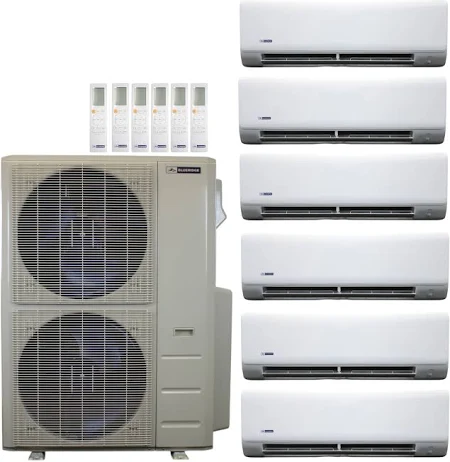
Heat pump vs furnace comparison: which one actually saves you money?
⏱️ 8 min read · Last updated: 2026
Choosing between a heat pump and a gas furnace comes down to climate, utility rates, and whether you need cooling too. In mild to moderate regions, a heat pump usually lowers annual energy costs because it moves heat rather than burning fuel to create it. In colder zones with cheap natural gas, a furnace or dual fuel system often costs less to run each winter. Upfront price, available rebates, and your existing equipment also play a significant role in which system makes financial sense for your home.
- Heat pump install cost: $4,500–$8,500 for a standard split-system heat pump installed, or commonly $7,000–$12,000 for cold-climate models with variable-speed compressors.
- Gas furnace install cost: $2,800–$6,500 installed, depending on AFUE rating and whether new ductwork is needed.
- Efficiency: A top-tier heat pump delivers 200–400% efficiency (COP 2–4) at mild temperatures; a high-efficiency gas furnace carries an AFUE rating of 95–98%.
- Cold climate performance: Modern cold climate heat pumps are rated for operation down to -13°F (−25°C) and hold a COP above 1.5 even at 5°F.
- Payback window: In a moderate climate switching from oil heat to a heat pump, payback commonly runs 4–8 years; gas-to-heat-pump payback in colder zones is typically 8–15 years without utility incentives.
A homeowner in suburban Chicago just paid $9,200 to install a cold climate heat pump, then got a $4,500 federal tax credit and an Illinois utility rebate of $1,000. Her neighbor two streets over paid $3,100 for a 96% AFUE rating gas furnace and is spending $140 less per winter month on heat. Both made the right call for their situation. That is the real heat pump vs furnace comparison: the winner changes by ZIP code, not by brochure.
After reviewing HVAC replacement projects for years and comparing utility data across climate zones, one pattern keeps showing up. Efficiency alone does not decide the winner. Local electricity and gas prices do. That is why the same system can save money in one state and cost more in another.
What is the real difference between a heat pump and a gas furnace?
A heat pump moves heat. A gas furnace creates it. That fundamental difference drives the cost, comfort, and climate trade-offs between the two systems.
A heat pump pulls thermal energy from outdoor air, even when it feels cold outside, and transfers it indoors using electricity. At mild temperatures, it often reaches 250–350% efficiency. A gas furnace burns natural gas to produce heat directly, and its output is limited by its AFUE rating, usually 80–98%.
Heat pump efficiency changes with outdoor temperature. At 47°F, a quality unit may have a Coefficient of Performance (COP) of 3.5, which means $3.50 worth of heat for every $1.00 of electricity. At 17°F, that same unit may drop to a COP of 1.8. A furnace stays at 95% AFUE whether it is 50°F or −10°F outside.
That steady output is one reason furnaces remain common in northern states. Heat pumps also cool your home in summer, while gas furnaces do not. If you are replacing your air conditioner too, the heat pump install cost covers both heating and cooling in one system, which changes the total cost comparison significantly.
Is a heat pump better than a gas furnace where I live?
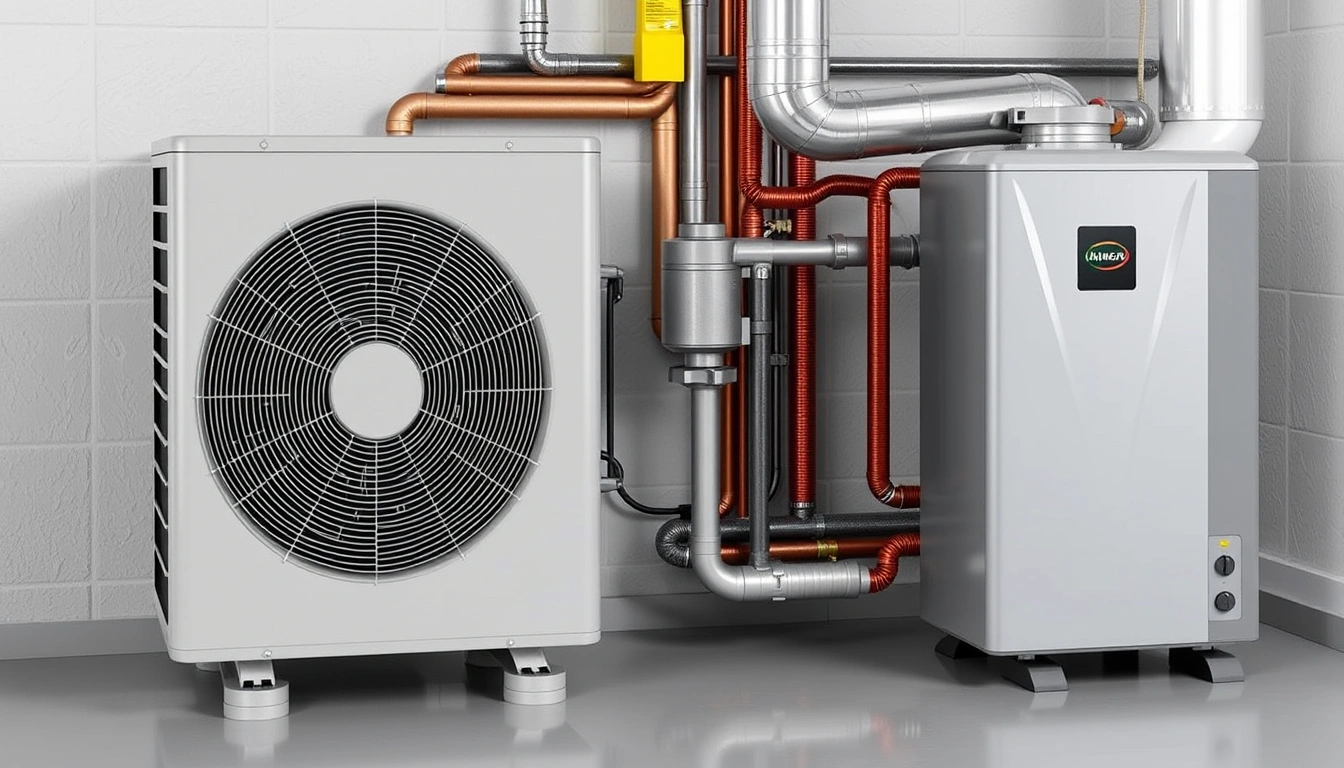
Yes, in climate zones 1 through 4, a heat pump is usually the better choice for the heat pump vs furnace comparison. Those regions rarely stay below 20°F for long, so heat pump efficiency remains strong throughout the heating season.
In the South, Southwest, and Pacific Coast, the total cost of ownership over 10 years usually favors the heat pump by $2,000–$5,000 over a comparable gas furnace. Federal ENERGY STAR incentives and many state rebates in 2026 make that advantage even larger.
Zone 5 is the real split in the heat pump vs furnace comparison. The decision depends on your electricity rate in cents per kWh and your gas rate in dollars per therm. If electricity is under $0.13/kWh and gas is above $1.40/therm, the heat pump starts winning on operating cost even in a colder winter. If those numbers flip, a gas furnace or dual fuel system is usually cheaper annually.
Zones 6 and 7 traditionally favor gas furnaces. That is changing in 2026 because cold climate heat pumps from manufacturers like Mitsubishi, Bosch, and Carrier now keep meaningful efficiency down to −13°F. Still, those systems commonly cost $7,000–$12,000 installed, and most homes need backup heat on the coldest nights.
In zones 1–4, the heat pump wins on total cost of ownership in nearly every modeled scenario. In zones 5–7, the answer depends on local utility rates more than on the equipment itself.
Which is cheaper to run, a heat pump or a furnace, in cold climates?
In zones 6 and 7, a modern cold climate heat pump and a 96% AFUE rating gas furnace often run within $200–$600 of each other per year. The furnace usually wins when gas is cheap, but the gap is smaller than many homeowners expect.
At a national average electricity rate of roughly $0.16/kWh in 2026 and natural gas around $1.10–$1.30/therm, a cold climate heat pump running at a COP of 2.0 costs about $0.08 per delivered kWh of heat. A 96% AFUE furnace burning gas at $1.20/therm costs roughly $0.035 per delivered kWh of heat equivalent. The furnace is cheaper at those prices.
That gap narrows in states where gas costs more, including New England, where gas has commonly run $1.80–$2.20/therm in recent years. In those places, the heat pump can become the lower-cost option even in winter.
The cold-climate case for a heat pump is not always about operating savings alone. Homes on propane or heating oil often save the most. Propane at $2.50–$3.50/gallon makes the heat pump math work even in zone 6, sometimes dramatically so.
What the install costs actually look like in 2026
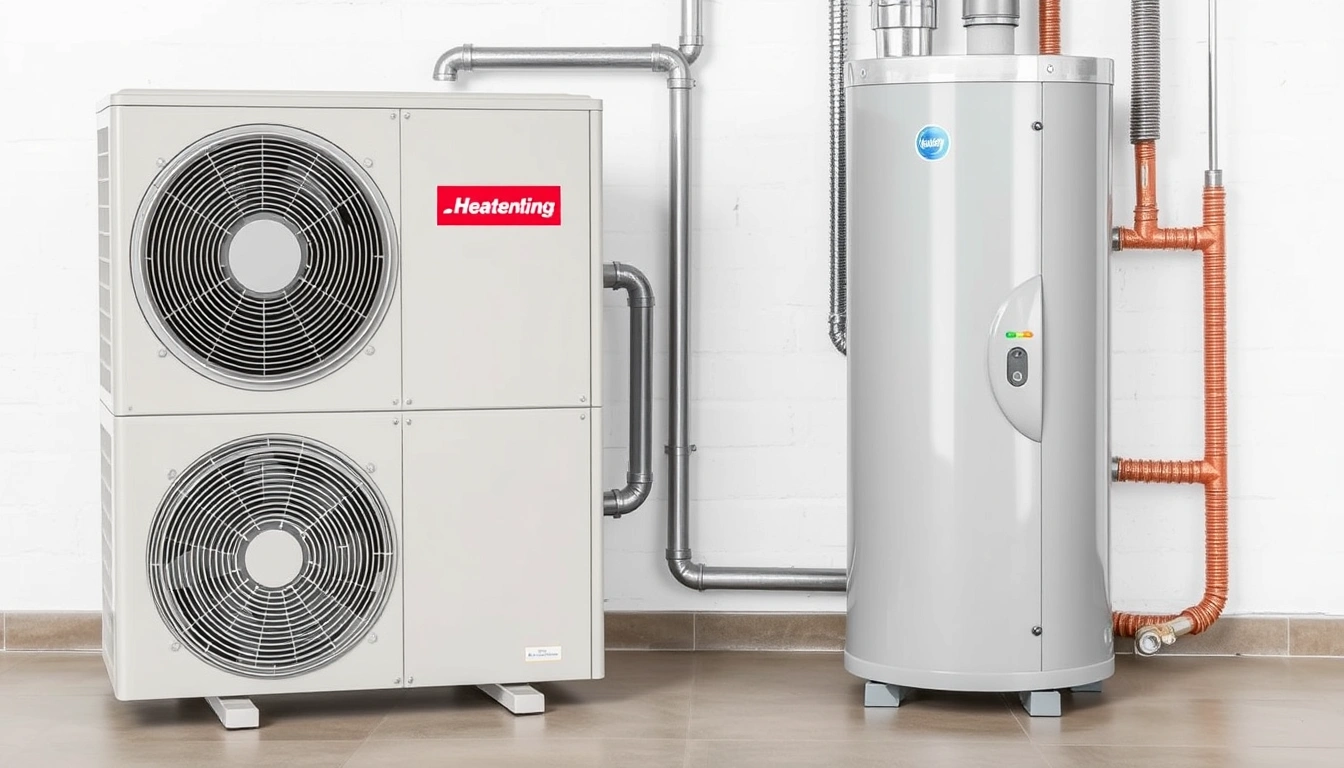
Heat pump install cost varies more than furnace pricing because system type matters so much. A standard single-stage heat pump in a moderate climate with existing ductwork runs $4,500–$7,500 installed. A variable-speed cold climate heat pump in a zone 6 home with duct modifications can reach $10,000–$14,000 before incentives. A ductless mini-split heat pump for one room or an addition typically runs $2,500–$5,000 per zone installed.
Gas furnace install cost is more predictable by comparison. An 80% AFUE unit runs $2,500–$4,000 installed in most markets. A high-efficiency 96% AFUE furnace with a variable-speed blower typically runs $3,500–$6,500. If your ductwork is undersized or leaky, add $500–$2,500 for duct repair, and that cost applies to both systems. You can find detailed figures on hvac replacement cost by size tonnage to match your home’s square footage to realistic quotes.
The federal 25C tax credit in 2026 covers 30% of heat pump install cost up to a $2,000 annual cap for the heat pump itself. Many utilities also add rebates of $500–$2,000. These incentives do not apply to standard gas furnaces, though a high-efficiency furnace may qualify for a separate $600 credit. Always compare the post-incentive price before making a final decision.
Before you commit, check your local hvac permit requirements replacement rules. Some municipalities require specific certifications or inspections for heat pump installs, which can add a few hundred dollars and a couple of weeks to the timeline.
When does a dual fuel system beat both options?
A dual fuel system pairs a heat pump with a gas furnace backup. In zones 5 and 6, it is often the most cost-effective setup of all three options because it uses each technology where it performs best.
The heat pump handles mild and moderate temperatures, where it runs most efficiently. The gas furnace starts automatically when outdoor temperatures drop below the system’s balance point, usually set at 25–35°F. That gives you heat pump efficiency for 70–80% of heating hours and furnace reliability for the coldest nights.
Install cost is higher up front. Expect $6,500–$11,000 installed, because you are paying for two pieces of equipment. Even so, annual operating savings over a straight gas furnace in zone 5 commonly run $300–$700 per year, which makes the premium reasonable for homeowners planning to stay put.
Dual fuel makes the most sense when you already have gas infrastructure, your electric rates are moderate, and your climate gets at least 3–4 months of temperatures where the heat pump runs efficiently. If you are also deciding whether to repair or replace your current system, reviewing the repair or replace hvac system decision factors first can help you choose the right path.
The honest side-by-side
The table below compares heat pumps and gas furnaces on the factors that actually change your annual heating bill and total ownership cost.
| Criteria | Heat pump | Gas furnace | Winner |
|---|---|---|---|
| Install cost (typical) | $4,500–$12,000 | $2,800–$6,500 | Gas furnace |
| Install cost after 2026 incentives | $2,500–$9,500 (up to $2,000 federal credit + utility rebates) | $2,200–$5,900 (up to $600 federal credit) | Heat pump (incentive-adjusted) |
| Peak efficiency | 200–400% (COP 2–4 at mild temps) | 80–98% AFUE rating | Heat pump (mild climates) |
| Performance at −10°F | COP 1.3–1.8 (cold climate models); needs backup below −13°F | Full rated output, unchanged | Gas furnace (extreme cold) |
| Annual operating cost (zone 4, avg utility rates) | $600–$900/yr heating | $900–$1,400/yr heating | Heat pump |
| Annual operating cost (zone 6, avg utility rates) | $1,100–$1,600/yr heating | $900–$1,300/yr heating | Gas furnace (cheap gas) / Heat pump (expensive gas) |
| Cooling capability | Yes — replaces AC entirely | No — separate AC needed | Heat pump |
| Carbon footprint (low-carbon grid) | Lower and declining as grid greens | Fixed — burns fossil fuel | Heat pump |
| Lifespan | 15–20 years (quality brands) | 18–25 years | Gas furnace |
| ENERGY STAR qualification | Yes — many models qualify | Yes — 95%+ AFUE models qualify | Tie |
Our verdict: how do you choose without second-guessing yourself?
Choose a heat pump if you live in climate zones 1–4, you are replacing both heating and cooling equipment at once, you currently heat with propane or oil, or your electricity rate is under $0.14/kWh. In those cases, the heat pump usually wins on operating cost and long-term total cost of ownership.
Choose a gas furnace if you are in zone 6 or 7, your local gas rate is under $1.10/therm, and you already have a functioning central air conditioner with years of life left. A high-efficiency 96% AFUE rating furnace paired with an existing AC remains a strong and cost-effective setup.
Choose a dual fuel system if you are in zone 5, your gas infrastructure is already in place, and you want efficient mild-weather heating without giving up gas backup. It costs more upfront, but it often runs $400–$600 less per year than a gas-only system in moderate climates.
Choose neither right now if your current system is under 10 years old and fixable. Check local hvac repair city costs before you replace a system that still has usable life left. A $400 repair on a 9-year-old unit often beats a $7,000 install and dramatically changes the payback math.
Stop comparing efficiency percentages and start comparing delivered-heat cost in dollars per kWh equivalent. Pull your most recent utility bills and run the numbers for your specific rates before committing to either system.
- In climate zones 1–4, a heat pump beats a gas furnace on total cost of ownership in nearly every scenario, especially when replacing both heating and cooling at once.
- In zones 5–7, the cheaper-to-run option depends on local gas vs. electricity rates, not system specs, so pull your actual utility bills before deciding.
- A dual fuel system is frequently the highest-value choice in zone 5 because it captures heat pump efficiency in mild weather and gas reliability in extreme cold.
- Federal ENERGY STAR incentives in 2026 can cut heat pump install cost by $2,000–$10,000 depending on income and state, so always calculate the post-incentive cost first.
Common questions about heat pump vs furnace comparison
What are the main differences between a heat pump and a gas furnace?
A heat pump moves thermal energy from outdoor air into your home using electricity, reaching 200–400% efficiency at moderate temperatures. A gas furnace burns natural gas to generate heat directly, capped at its AFUE rating of 80–98%. Heat pumps also cool in summer; gas furnaces do not. The efficiency advantage goes to heat pumps above 20°F, while furnaces win below that in most rate environments.
How do I choose between a heat pump and a furnace for my home?
Start with two numbers: your local electricity rate in cents per kWh and your gas rate in dollars per therm. If electricity is under $0.13/kWh, a heat pump is likely cheaper to run in zones 4 and warmer. If gas is under $1.10/therm and you are in zone 5 or colder, a gas furnace or dual fuel system usually wins on annual operating cost.
Is a heat pump cheaper to run than a gas furnace in winter?
In mild winters in zones 1–4, yes, typically by $300–$700 per heating season. In cold climates in zones 5–7 with cheap natural gas under $1.20/therm, a 96% AFUE gas furnace usually costs less per BTU of delivered heat. The crossover point depends on local utility rates, not equipment specifications.
Why don’t heat pumps work as well in extreme cold?
Heat pumps extract heat from outdoor air, and as temperatures drop, there is less thermal energy to move. A standard heat pump’s efficiency (COP) falls below 1.5 around 5–15°F. Cold climate models rated to −13°F maintain a COP above 1.5 even at 5°F, but they cost $2,000–$4,000 more than standard units. Below design temperatures, backup heat is required.
How much does a heat pump cost to install compared to a furnace in 2026?
Heat pump install cost runs $4,500–$12,000 depending on system type and climate requirements. Gas furnace install cost typically runs $2,800–$6,500. After the 2026 federal 25C tax credit, up to $2,000 for heat pumps, plus utility rebates, the gap narrows considerably. Heat pumps also replace air conditioners, so compare full system replacement costs.
What is a dual fuel system and when does it make sense?
A dual fuel system pairs a heat pump with a gas furnace backup. It makes sense in zones 5 and 6 when you already have gas infrastructure, want lower operating costs in mild weather, and still need reliable heat during very cold spells. The system switches at the balance point, usually 25–35°F, to use the most efficient fuel for the
See also: hvac repair [city]
See also: furnace repair cost common problems
See also: water damage restoration [city]