Water damage restoration cost per square foot (2026 pricing tiers)
July 10, 2026

“`html
Water damage restoration cost per square foot: 2026 pricing tiers
⏱️ 8 min read · Last updated: 2026
- Category 1 (clean water) damage: $3–$5 per square foot
- Category 2 (gray water) damage: $4–$7 per square foot
- Category 3 (black water/sewage) damage: $7–$12+ per square foot
- A 500 sq ft clean water loss totals $1,500–$2,500; the same area with sewage contamination reaches $3,500–$6,000+
- Structural drying with commercial equipment takes 3–7 days, with each monitoring visit billed separately at $150–$300
Two restoration invoices from the same Houston neighborhood tell the story: $1,800 for a kitchen supply line burst covering 350 square feet, and $8,400 for a basement where sewage had backed up overnight across roughly the same area. The water damage restoration cost per square foot isn’t a single number — it’s a range that depends almost entirely on what type of water caused the damage. In 2026, that range spans from $3 to well over $12 per square foot.
The contamination category — not the room size — is what determines whether you’re paying $1,500 or $15,000. Square footage sets the floor. Water type sets the ceiling. And unlike roofing or flooring, water damage can’t be priced by a simple square-foot multiplier. The contamination level dictates demolition scope, drying protocols, antimicrobial treatment, and even whether certain materials can be saved.
Understanding these pricing drivers helps you avoid common pitfalls. For instance, professional water damage restoration services use detailed assessments to set accurate expectations from the start.
Why does clean water damage cost less than sewage backup to fix?
The difference comes down to the restoration process. Clean water damage costs less because crews skip the most expensive steps: hazmat decontamination, demolition of porous materials, and extended microbial treatment. Category 1 water, from sanitary sources like burst pipes or roof leaks, poses no biological hazard. The crew extracts water, sets up drying equipment, monitors moisture, and moves on.
Category 3 water, such as sewage or river flooding, requires entirely different work. Crews must remove and discard carpet, padding, drywall, and insulation. They apply multiple rounds of biocide. Drying takes two to three times longer. You’re paying for demolition and reconstruction, not just drying. That’s why two homeowners with the same square footage of damage can receive bills that differ by a factor of three.
This principle is defined in the IICRC S500 standard. An important note: Category 1 water can degrade to Category 2 or 3 within 72 hours. A clean water loss that sits untreated through a weekend becomes a much more expensive project by Monday morning.
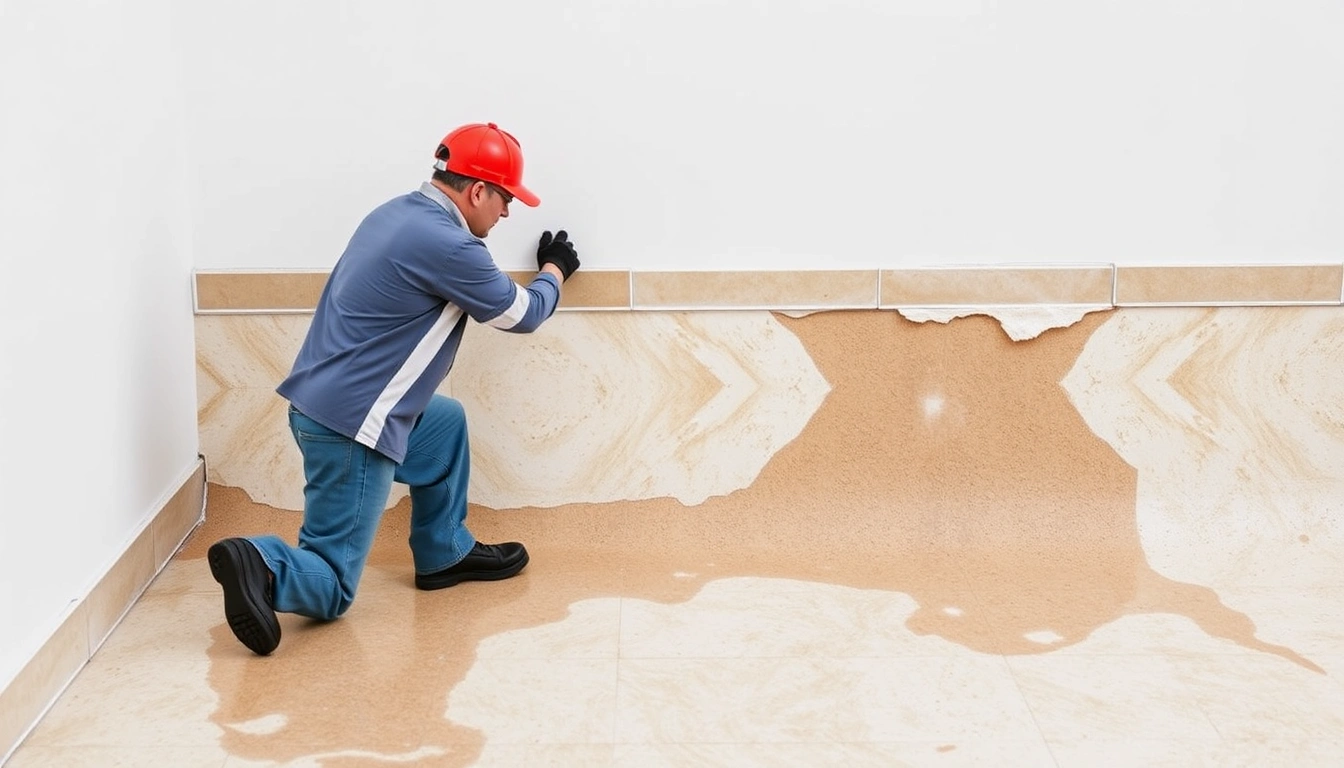
Water damage restoration cost per square foot by contamination level
Category 1 water damage costs $3–$5 per square foot, Category 2 runs $4–$7, and Category 3 ranges from $7 to $12 or more. These 2026 national averages include drying, basic demolition, and antimicrobial treatment. Reconstruction is additional.
| Criteria | Category 1: Clean | Category 2: Gray | Category 3: Black |
|---|---|---|---|
| Cost per sq ft (2026) | $3–$5 | $4–$7 | $7–$12+ |
| Typical sources | Burst pipes, roof leaks, rain | Dishwasher, washing machine, toilet bowl (no feces) | Sewage backup, river flooding, standing water >72 hrs |
| Structural drying time | 3–5 days | 5–7 days | 7–14+ days |
| Demolition required | Minimal — wet materials only | Moderate — drywall, carpet, some insulation | Extensive — all porous materials removed |
| Antimicrobial treatment | Light surface application | Moderate treatment | Full biocide, multiple applications |
| Mold risk if untreated | Low within 72 hours | Moderate within 48 hours | High within 24–48 hours |
| Insurance coverage | Typically covered | Often covered, may need proof of sudden event | Frequently excluded or limited |
| Content manipulation | Minimal — items dried in place | Moderate — items removed for cleaning | Extensive — many items discarded |
The EPA notes that mold can begin growing on damp surfaces within 24 to 48 hours, which is why rapid response directly affects cost. Every day you wait after a Category 2 or 3 event, the contamination zone expands and so does the bill. For more on mold remediation costs, see our detailed guide.
How much does it cost to restore water damage in a 500 square foot room?
A 500-square-foot room with Category 1 clean water damage typically costs $1,500–$2,500 to restore. The same room with Category 3 sewage contamination runs $3,500–$6,000 or higher. The final price depends on material types and how long the water was present.
Here’s how those numbers break down for common room types:
- Bedroom (500 sq ft, clean water): $1,500–$2,200. Carpet and padding can usually be dried. Drywall may need spot replacement if water wicked up the wall.
- Kitchen (300 sq ft, clean water): $1,800–$2,800. Cabinetry, appliances, and underlayment complicate drying. More labor hours per square foot.
- Basement (500 sq ft, gray water): $2,500–$4,000. Concrete floors trap moisture differently. Dehumidifier run time increases by 30–50%.
- Bathroom (100 sq ft, black water): $1,400–$2,800. Small area but total gut — tile, subfloor, drywall, and vanity all removed. Per-square-foot cost is highest in small rooms because demolition is a fixed effort regardless of size.
- Living room (500 sq ft, black water): $4,500–$7,500. Extensive demolition plus full antimicrobial treatment. Reconstruction adds $2,000–$4,000.
Notice that bathrooms cost more per square foot than bedrooms even though they’re smaller. That’s because water damage restoration cost per square foot is partly driven by demolition complexity. Demolishing a bathroom means removing tile, disconnecting plumbing fixtures, and working around electrical — all of which take time.
The square footage cost tiers that actually determine your bill
Restoration companies price in tiers because fixed costs get spread across the affected area. A 200-square-foot loss costs more per square foot than a 1,200-square-foot loss — sometimes double. Think of it like a plumber’s service call: the truck roll and setup cost the same whether you have one wet room or three.
Here’s what the tiers look like for a standard Category 1 loss in 2026:
- Under 100 sq ft: $5–$7 per square foot. Highest per-unit cost. Minimum service charges apply.
- 100–300 sq ft: $4–$5.50 per square foot. Most residential calls land here.
- 300–800 sq ft: $3.50–$4.50 per square foot. Better economies of scale.
- 800–1,500 sq ft: $3–$4 per square foot. Multi-room losses.
- Over 1,500 sq ft: $2.50–$3.50 per square foot. Large-loss pricing.
This tier structure explains why a 150-square-foot bathroom with black water contamination can cost more total than a 600-square-foot bedroom with clean water. The per-square-foot rate is higher on the small room, the contamination category is worse, and the demolition-to-drying ratio is different. Flood damage repair costs follow similar tier logic but may involve additional factors like sediment removal.
Black water restoration and the costs nobody warns you about
Black water restoration typically costs two to three times more than clean water damage. Most homeowners insurance policies exclude or severely limit coverage for Category 3 losses unless the cause qualifies as a “sudden and accidental” event. Sewage backup is the most common scenario homeowners face.
Here’s what inflates the cost beyond the basic per-square-foot rate:
- Emergency response premiums: After-hours or weekend calls cost 25–50% more.
- Multiple treatment rounds: Biocide application happens in layers, not once. Expect two to four treatments.
- Content disposal: Furniture, boxes, and personal items exposed to sewage must be discarded. Most contracts include debris removal but charge separately for contents.
- Reconstruction markup: After remediation, a separate reconstruction crew rebuilds. That’s two contractors, two sets of overhead, and two profit margins.
If water damage is discovered after the source has been leaking for weeks, insurance carriers may classify it as a maintenance issue. A covered sudden-event claim pays for restoration. A denied maintenance claim means you pay entirely out of pocket.
The hidden line items that inflate your final restoration bill
The three line items most likely to push your bill 30–40% above the initial estimate are mold remediation, content manipulation, and extended drying days. Most initial estimates assume a straightforward scenario. But water doesn’t stay in one place.
Mold remediation is the biggest wildcard. If the 24–48 hour mold growth window passes before mitigation begins, visible or concealed mold may require separate remediation at $15–$30 per square foot on top of the original cost. Learn more about mold remediation costs here.
Content manipulation covers moving, packing, cleaning, and storing belongings. For a 500-square-foot loss, it adds $500–$1,500. For a whole-house loss, it can exceed $3,000.
Extended drying days are where bills quietly climb. Each additional day runs $200–$500 in energy and monitoring costs. A Category 3 loss requiring 14 days instead of the estimated 7 adds $1,400–$3,500.
When the smart money is on NOT restoring
Restoration isn’t always the right financial call. For Category 1 damage under $1,500, handling it yourself with rental equipment may make sense. When structural damage affects more than 40% of a room’s materials, paying for demolition and reconstruction often exceeds the cost of simply replacing the entire space.
Consider this example: A homeowner in Atlanta received a $6,200 restoration quote for 700 square feet of Category 2 damage. A contractor quoted $5,800 to gut the basement entirely and reinstall new materials — with a warranty. The full replacement was cheaper and came with guarantees.
Here’s the decision framework:
- DIY if: Category 1 water, under 100 square feet, no drywall saturation, you own a wet/dry vac and can rent a dehumidifier for under $200.
- Hire a pro if: Any Category 2 or 3 water, any damage involving drywall or subfloor, or any loss over 200 square feet where mold risk is a factor.
- Replace instead of restore if: Demolition and reconstruction exceed 60% of a full-room replacement cost, or if insurance denies the claim.
If your home was built before 1980 and the water may have contacted asbestos-containing materials, hire a certified abatement specialist before any demolition. The cost of improper asbestos disturbance dwarfs any restoration savings.
The bottom line
Water damage restoration cost per square foot in 2026 ranges from $3 to $12+, driven primarily by contamination category. Clean water is a drying project. Black water is a demolition and rebuild project. Know your water category before you budget, and get an itemized bid that separates drying, demolition, and reconstruction.
Your next step: photograph the damage, stop the water source if safe, and contact a local restoration contractor for a category assessment. Don’t wait — every hour past the 72-hour window changes both the water category and the cost. For a broader look at pricing across different markets, see our guide on Emergency Water Damage Restoration Services & Costs by City.
- Contamination category drives cost more than square footage — Category 1 runs $3–$5/sq ft while Category 3 reaches $7–$12+
- Smaller losses cost more per square foot due to fixed mobilization and setup charges
- Final restoration bills average 28% higher than initial estimates for Category 2 and 3 losses
- At 40%+ structural damage, full replacement often costs less than restoration with reconstruction
Common questions about water damage restoration cost per square foot
How much does water damage restoration cost per square foot in 2026?
In 2026, clean water (Category 1) damage costs $3–$5 per square foot, gray water (Category 2) runs $4–$7, and black water or sewage (Category 3) ranges from $7 to $12 or more. These national averages include drying, basic demolition, and antimicrobial treatment — reconstruction is additional.
Why does clean water damage cost less than black water to fix?
Clean water doesn’t carry biological contaminants, so restoration crews skip hazmat protocols, extensive demolition, and biocide treatments. Black water requires removing all porous materials, multiple antimicrobial applications, and longer structural drying — each step adding labor and material disposal costs.
How do I estimate water damage restoration cost for my specific room?
Measure the affected area in square footage and identify the water category. Multiply your square footage by the appropriate range ($3–$5 for clean, $4–$7 for gray, $7–$12+ for black). Then add 25–30% for hidden costs like extended drying, mold risk, and content manipulation that initial estimates typically undercount.
Why is my water damage restoration quote higher than online averages?
Online averages assume Category 1 water in a simple room layout. Your quote may be higher because the water sat past 72 hours (upgrading the category), the affected area includes cabinetry or tile (increasing demolition complexity), or you’re in a high-cost metro market where labor rates run 15–25% above national averages.
Does homeowners insurance cover water damage restoration costs?
Most standard policies cover sudden and accidental water damage from burst pipes or appliance failures — typically Category 1 losses. Sewage backup and flood damage often require separate riders. Maintenance-related damage is usually excluded. Check your policy’s water damage exclusions before filing a claim.
How long does structural drying take after water damage?
Category 1 water damage typically dries in 3–5 days. Category 2 takes 5–7 days. Category 3 black water restoration requires 7–14 days or longer, depending on moisture penetration. Commercial equipment and monitoring continue throughout the drying period.
“`
See also: water damage restoration [city]
Related: water damage restoration permit requirements
Related: flooded basement cleanup steps first 24 hours
Related: black mold remediation
Related: water damage restoration statistics
Related: how to choose water damage restoration company