Emergency Water Extraction Cost After Hours: 2026 Rates
July 10, 2026

“`html
Emergency Water Extraction Cost After Hours: 2026 Rates
⏱️ 10 min read · Last updated: 2026
- Standard water extraction cost: $3–$5 per square foot during business hours (2026 national average range)
- After-hours surcharge: typically 25–50% above standard rates, or a flat $150–$500 added to the invoice
- Weekend and holiday rate premium: commonly 30–50% above standard rates, with some companies charging a flat weekend dispatch fee of $200–$400
- Minimum service fee for emergency calls: $300–$500 in most metro areas, non-refundable even if extraction takes under an hour
- Truck-mounted extractor removes 10–15 gallons per minute versus 2–3 gallons per minute for a portable wet vacuum
Facing a flooded basement at 2 AM? You’re about to deal with a pricing structure that catches most homeowners off guard. Emergency water extraction cost after hours consistently runs higher than daytime rates, and understanding why helps you decide whether to act now or wait until morning.
Here’s what most guides overlook: the 2 AM premium often pays for itself. The EPA confirms mold starts growing within 24 to 48 hours of moisture exposure. Every hour water sits against drywall, the damage compounds. So the real question isn’t whether emergency water extraction cost after hours is higher — it’s whether waiting costs even more.
I’ve reviewed invoices from water damage restoration companies across multiple regions. What follows breaks down what drives after-hours pricing, when the premium is worth it, and how to avoid getting overcharged while standing in two inches of water at midnight.
Emergency water extraction cost after hours: why the 2 AM price is higher
After-hours emergency water extraction costs more for simple reasons: overtime labor, 24/7 dispatch staffing, and emergency equipment deployment.
A standard crew works a 7-to-5 schedule. When a technician gets dispatched at 2 AM, the company pays overtime — typically 1.5x the base rate under the IICRC S500 standard labor framework — covers an overnight dispatcher, and burns fuel on an emergency roll. The truck-mounted extractor costs $80,000 to $120,000 to purchase and maintain, and those costs get spread across fewer overnight jobs.
In most metro markets, this translates to a 25–50% surcharge above the standard rate. Some companies charge a flat fee of $150–$500. Others raise the per-square-foot rate. A few impose a minimum service fee of $300–$500 regardless of job size — meaning a small bathroom flood that costs $400 during business hours might hit $700+ at midnight.
A restoration manager in the Southeast put it simply: “We don’t make more profit on night calls. The cost to operate at 3 AM is just fundamentally different from 3 PM.”
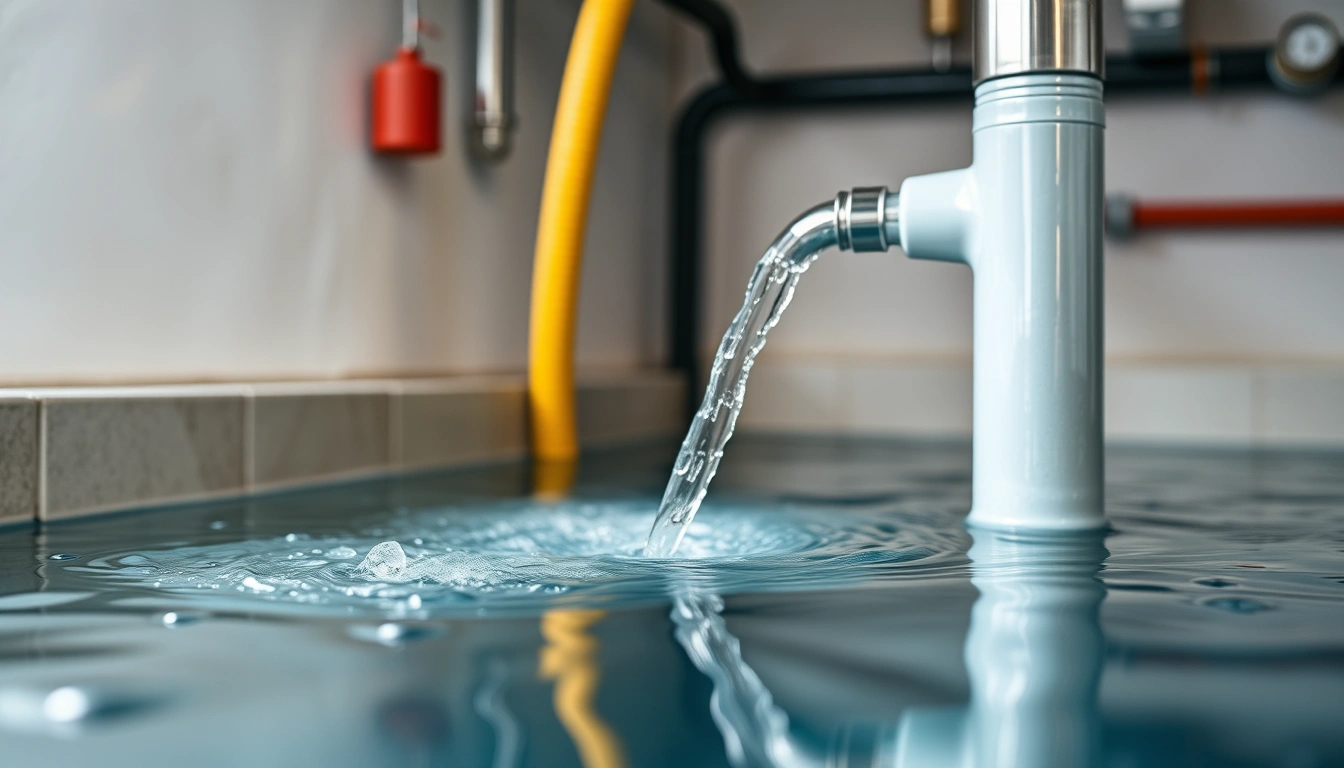
How much more does emergency water extraction cost at night or on weekends?
Emergency water extraction cost after hours breaks down into three tiers: business hours, weekday evenings, and weekend or holiday calls. Each tier is progressively higher.
The table below reflects typical 2026 pricing in mid-size and large metro areas. Coastal Northeast and West Coast markets trend higher, while Southeast and Midwest markets often land lower.
| Service type | Business hours (7 AM–5 PM) | After-hours (evenings/nights) | Weekend / holiday |
|---|---|---|---|
| Extraction per sq ft | $3–$5 | $4.50–$7.50 | $4.50–$8 |
| Truck-mounted extraction (flat call) | $300–$500 | $450–$750 | $500–$800 |
| Minimum service fee | $300–$500 | $350–$600 | $400–$700 |
| Typical total (500 sq ft) | $1,500–$2,500 | $2,250–$3,750 | $2,250–$4,000 |
Regional differences matter. The same 500-square-foot job might cost $1,800–$2,800 after hours in Houston or Atlanta, but $2,500–$4,200 in Boston or Seattle.
What the after-hours surcharge actually covers (and what it doesn’t)
The after-hours surcharge covers the cost of dispatching a crew outside business hours — not additional extraction, equipment, or materials.
This difference directly impacts what you pay and what you don’t receive. A $400 surcharge pays for overtime labor, the overnight dispatcher, fuel, and admin overhead. It does not mean more extraction, better equipment, or faster drying.
The water damage restoration equipment arriving at 2 AM is the same truck-mounted extractor that shows up at 10 AM. The technician has the same training and certification. What you pay extra for is access: someone on-site within one to two hours instead of next-day scheduling.
Some companies also add separate charges that stack with the after-hours fee:
- Emergency dispatch fee: $75–$200, charged just for rolling the truck
- After-hours admin fee: $50–$150, for billing and documentation
- Equipment standby fee: $100–$200 (rare), if a truck-mounted extractor is reserved for your job
Always request an itemized estimate before work begins. Transparent companies break out every charge, and that transparency is your best filter for quality.
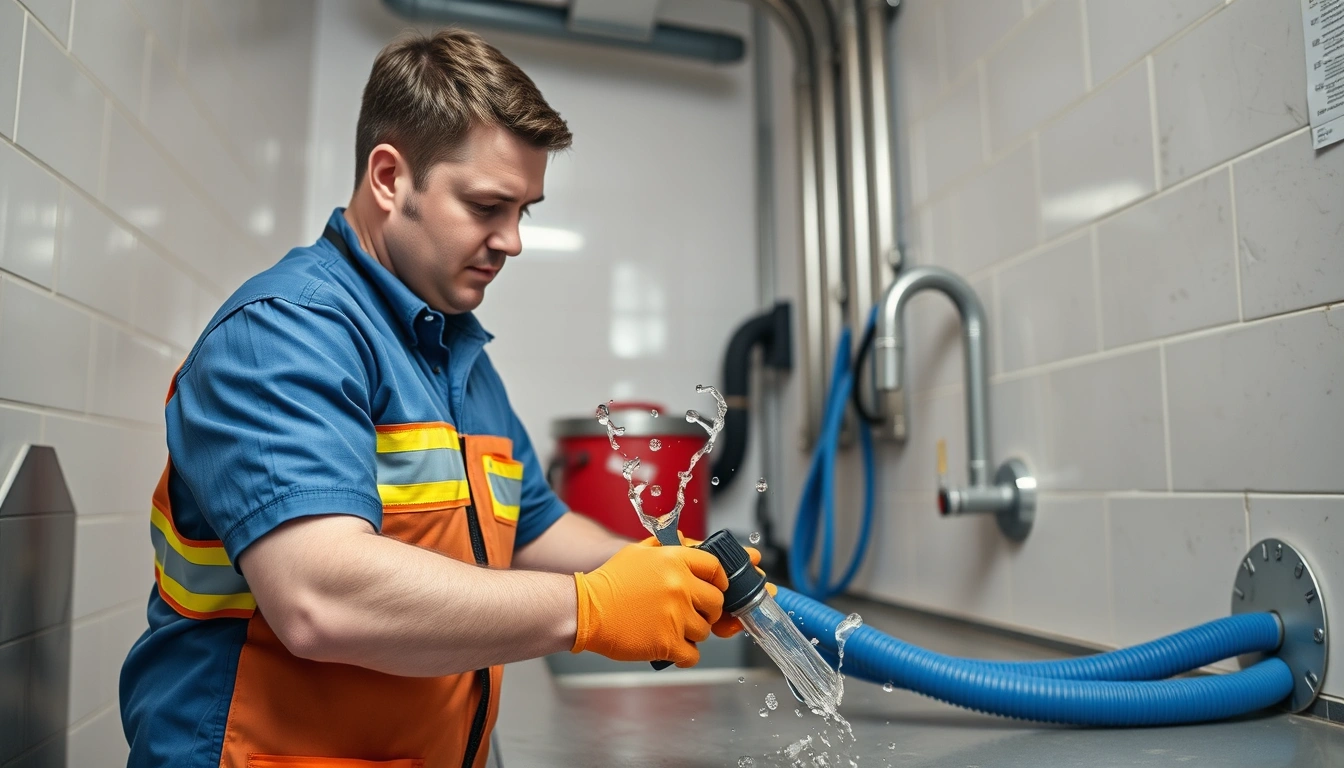
Is it worth paying for emergency same-day water extraction?
In most cases, yes. Emergency same-day water extraction is worth the premium when standing water has been present for more than a few hours, the affected area exceeds 100 square feet, or the water is Category 2 (gray) or Category 3 (black).
The math is straightforward. Water damage replacement costs for drywall alone run $3–$7 per square foot for repair and $8–$15 for full replacement. If delaying eight hours pushes 200 square feet from salvageable to replaceable, you’ve added $1,600–$3,000 — far exceeding the $500–$1,000 after-hours premium.
Waiting makes sense in limited cases. If the source is stopped, the volume is small, and it’s clean water, you can manage temporarily with a portable wet vacuum and fans. The key question: can you remove standing water yourself within two hours?
How to choose a water damage restoration company you trust at 3 AM
At 3 AM, you won’t have time to check references and compare five bids. Choosing a water damage restoration company in an emergency comes down to three quick checks from your phone.
1. Verify IICRC certification (30 seconds)
Ask the dispatcher for the company’s IICRC certification number. Then verify it at iicrc.org. If they hesitate or can’t provide it, hang up and call the next company.
2. Confirm the fee structure (60 seconds)
Ask these three questions before authorizing dispatch:
- What is the flat after-hours surcharge, if any?
- Is the per-square-foot rate different from daytime pricing?
- What is the minimum service fee for this call?
Write down the answers. Good companies operating 24/7 emergency response teams expect these questions.
3. Ask about their equipment (60 seconds)
A truck-mounted extractor dries your space in hours. Portable wet vacuums take days. Ask directly: “Are you sending a truck-mounted extractor, or portable units?” This single question tells you whether you’re getting a professional response or a mop-and-fan operation.
What happens if you wait until morning instead
If the water source is stopped and the volume is manageable, waiting until morning is a calculated risk that works in dry climates but grows dangerous in humid regions.
Damage progresses fast. Water wicks into porous materials within four hours. Wood and laminate swell between 8 and 24 hours. After 24 to 48 hours, mold colonization begins in warm, humid conditions. In the Southeast and Gulf Coast, where summer humidity exceeds 80%, this window shrinks significantly.
Most people get the financial calculation wrong. Saving $500–$1,000 by waiting can cost $3,000–$8,000 in water damage restoration and mold remediation — which runs $15–$30 per square foot. Insurance carriers often deny mold claims when homeowners delay reasonable mitigation.
Clean-water incidents in dry, cool environments give you a wider window than the same event in a warm, humid space. Know your climate and risk tolerance before deciding.
Red flags in after-hours water extraction quotes
Emergency water extraction cost after hours should be higher — but there’s a line between justified premium and price gouging. Watch for these warning signs:
- No itemized breakdown: A single lump-sum number with no line items for labor, equipment, surcharges, or materials.
- Verbal-only pricing: The technician quotes a price at your door but won’t put it in writing. Always insist on a written estimate.
- Surcharge exceeds 60%: After-hours premiums above 60% of the standard rate suggest opportunistic pricing. The typical range is 25–50%.
- Minimum fee above $700: A minimum service fee exceeding $700 is above market norms in most regions.
- Pressure to sign before explaining: Any company that pressures you to authorize work before explaining fees is prioritizing revenue over your right to decide.
A legitimate company provides a clear, written estimate separating the standard rate from the surcharge, minimum fee, and equipment charges. If uncertain, calling a second company for a phone estimate costs nothing and takes minutes.
- Emergency water extraction cost after hours typically runs 35–50% above daytime rates — budget $4.50–$7.50 per square foot instead of $3–$5.
- The after-hours surcharge covers dispatch costs, not better equipment — the same truck-mounted extractor shows up at 2 AM as at 10 AM.
- Waiting until morning can save $500–$1,000 upfront but risks $3,000–$8,000 in additional mold remediation and drywall replacement.
- Always get a written, itemized estimate before authorizing after-hours work — even a text message protects you.
Common Questions About emergency water extraction cost after hours
What does emergency water extraction actually cost per square foot in 2026?
Standard water extraction costs $3–$5 per square foot during business hours. After hours, expect $4.50–$7.50 per square foot depending on your market. Coastal Northeast and West Coast cities trend toward the higher end.
How much more does water extraction cost on weekends versus weekday nights?
Weekend rates are similar to weekday after-hours rates, but some companies add a $50–$200 holiday premium. The difference between a Friday night and Sunday morning call is usually $50–$100. Always confirm with the dispatcher.
Is same-day water extraction worth the extra money?
Yes, when the area exceeds 100 square feet, water has stood over four hours, or Category 2 or 3 water is involved. The premium of $500–$1,000 typically saves far more in avoided drywall replacement and mold remediation.
Why do after-hours extraction rates cost so much more?
After-hours rates cover overtime labor (1.5x base rate), overnight dispatcher salaries, fuel costs, and admin overhead. You’re paying for access, not better equipment — the same truck shows up regardless of hour.
How quickly can an emergency water extraction crew arrive after I call?
Most 24/7 emergency crews arrive within one to two hours in metro areas. Rural locations may see two to four hours. During major storms, expect longer waits as demand spikes. Call early for the fastest dispatch.
Does my homeowner’s insurance cover the after-hours surcharge?
Most standard policies cover reasonable emergency costs when the loss is covered — burst pipes, storm damage, etc. Call your insurer’s claims line before authorizing work to confirm coverage, even at 3 AM.
What’s the difference between a truck-mounted extractor and a wet vacuum?
A truck-mounted extractor removes 10–15 gallons per minute with powerful suction that pulls moisture from padding, subfloors, and wall cavities. A portable wet vacuum removes 2–3 gallons per minute and works best for surface water only.
The Bottom Line
Emergency water extraction cost after hours is higher for real operational reasons — and in most situations involving standing water, the premium prevents far more expensive secondary damage. Know the numbers before you’re standing in a flooded room at midnight.
Call two or three restoration companies that serve your area. Ask for their after-hours rate structure. Save those numbers in your phone now, while you’re dry and thinking clearly. That 10-minute exercise could save you from a bad decision at 2 AM. And if you’re already in a flood, request a written, itemized estimate before authorizing any work.
For a broader look at emergency water damage restoration services and costs by city, including regional pricing and service-area details, check our full cost breakdown.
“`
See also: water damage restoration [city]
See also: flooded basement cleanup steps first 24 hours
See also: how to choose water damage restoration company