AC not cooling troubleshooting: fix it step by step
July 10, 2026
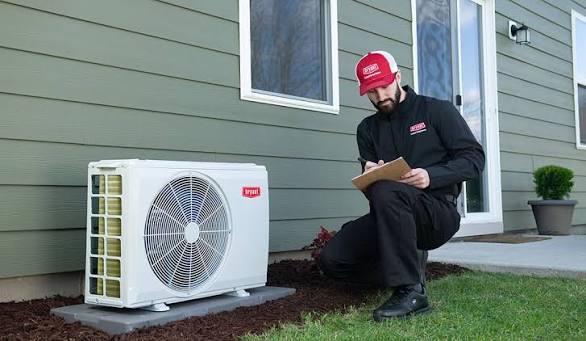
AC not cooling troubleshooting: fix it step by step
⏱️ 8 min read · Last updated: 2026
When your air conditioner is running but the house stays warm, the five most common causes are a clogged air filter, a frozen evaporator coil, a failed capacitor, dirty condenser coils, or a refrigerant leak. You can narrow down the problem in under 20 minutes by checking three things: whether the outdoor condenser runs, what temperature air comes from the vents, and whether any ice is visible. This AC not cooling troubleshooting guide walks you through each likely cause in the fastest diagnostic order so you can either solve the problem yourself or know exactly what to tell the technician.
- A dirty air filter costs $5–$25 to replace and takes under five minutes.
- Capacitor replacement costs $150–$400 in 2026, parts and labor included, with a national average of about $275 (HomeAdvisor).
- A refrigerant recharge (R-410A) runs $200–$600, averaging around $350 for a standard residential system.
- A frozen evaporator coil takes 2–24 hours to thaw depending on ice buildup.
Start with what you can see and hear
Effective AC not cooling troubleshooting starts with three quick observations: whether the outdoor unit runs, what temperature air comes from the vents, and whether any ice is visible. Once you gather those answers, each clue points to a narrower set of causes, making the rest of the diagnosis far more efficient.
- Is the condenser unit outside actually running? Walk outside and listen. A spinning fan and humming compressor mean the outdoor unit is trying to work. Silence usually signals an electrical problem.
- What temperature air comes from the vents? Warm, room-temperature, or slightly cool air each points to a different cause. Warm air often means the refrigeration cycle is failing.
- Is there ice anywhere? Check the larger insulated copper line and the indoor unit. Ice on either one usually means a frozen evaporator coil.
Those three answers set the path for the rest of this guide. If the condenser runs and you see ice, start with the filter and coil section below. A silent condenser points to electrical or capacitor issues. If the condenser runs with no ice but you still get warm air, refrigerant or condenser problems move higher on the list.
The air filter and frozen coil path
Ice on the refrigerant lines or indoor unit is a clear sign that the evaporator coil has frozen. Shut the AC off immediately when you see this — a frozen coil cannot transfer heat, and running the system stresses the compressor. The most common trigger is restricted airflow from a dirty air filter, which drops the coil temperature below freezing.
Step-by-step frozen coil recovery
- Set the thermostat to OFF.
- Remove the air filter and inspect it. If it looks gray or clogged, replace it with a clean one.
- Set the fan to ON (not AUTO) so air moves across the coil without running the compressor.
- Wait for the ice to thaw — thin ice may melt in about 2 hours, while heavy buildup can take up to 24 hours.
- Do not turn cooling back on until all ice is gone.
If a fresh filter does not stop the coil from icing again within 12 hours, a refrigerant leak is the likely culprit. At that point, the problem shifts from a simple airflow fix to a system-level repair. If the filter looks clean and no ice is present, the next place to check is the outdoor condenser unit.
Why is my AC running but not cooling the house?
The outdoor condenser is responsible for releasing the heat collected from inside your home. When it runs but the house does not cool, the indoor blower keeps pushing air through the vents, but that air never gets cold. Walk outside while the system is set to cooling and watch the condenser for 60 seconds. The fan on top should spin, the unit should feel warm, and the compressor should produce a steady low hum.

What each observation tells you
- Fan not spinning, compressor humming: The condenser fan motor or its capacitor has likely failed. This repair typically runs $150–$400.
- Complete silence: Check the breaker first. If the breaker is fine and the unit stays silent, call a technician.
- Fan spinning but warm air from vents: Low refrigerant or dirty condenser coils may be preventing proper cooling.
- Fan spinning plus grinding or clanking: Shut the system off immediately. Mechanical damage worsens quickly if the unit keeps running.
Dirty condenser coils are another frequent cause. Grass clippings, cottonwood fluff, and debris reduce heat transfer and lower cooling capacity. If the coils look coated with dirt, turn the power off at the disconnect and clean the unit with a garden hose. Also trim any shrubs or fencing within 18 inches of the condenser to restore proper airflow.
When the condenser is running but the house still does not cool, the most likely remaining causes are a refrigerant leak or a failed capacitor. The next section helps you tell them apart.
Refrigerant leak vs. capacitor failure
Low refrigerant and a bad capacitor can look the same from inside the house — both produce weak cooling or warm air. But the signs outside differ, and so do the repair costs. Use the comparison below to tell them apart.
| Symptom | Points to refrigerant leak | Points to capacitor failure |
|---|---|---|
| Outdoor unit behavior | Fan and compressor running, but house won’t reach setpoint | Fan slow or not spinning; compressor hums then cuts out |
| Ice formation | Common on refrigerant lines or evaporator coil | Less common; unit often shuts down before icing |
| Onset | Gradual — cooling worsens over weeks or months | Sudden — system worked yesterday and fails today |
| Sound | System sounds normal but does not cool | Clicking, humming, or brief startup followed by silence |
| Typical repair cost (2026) | $200–$600 for R-410A recharge; more if leak repair is needed | $150–$400 for capacitor replacement, parts and labor |
A refrigerant leak is never a DIY repair. Federal regulations require certified technicians to recover and handle refrigerants, and recharging without fixing the leak only buys time. For details, see the EPA Section 608 refrigerant management rules and DOE air conditioning maintenance guidance.
Capacitor replacement is one of the most cost-effective HVAC repairs when a licensed technician handles it.
Capacitors hold an electrical charge even after you disconnect power, which makes this a job for a licensed HVAC technician rather than a weekend project. If the symptoms point to a capacitor, that is usually the right time to make the service call.
What can I check myself before calling an AC repair company?
With the more complex issues identified above, here is a quick checklist you can complete in under 20 minutes before picking up the phone.

- Air filter: Remove it and hold it to the light. If you cannot see light through it, replace it.
- Thermostat settings: Confirm it is on COOL, not FAN ONLY, and that the setpoint is 3–4°F below room temperature. See our thermostat troubleshooting guide for more.
- Circuit breakers: Check for a tripped breaker and reset it once. If it trips again, stop and call a technician.
- Condenser clearance: Remove debris and trim vegetation within 18 inches of the outdoor unit.
- Condensate drain line: If the drain pan is full, a float switch may have shut the system down. Clear the drain with a wet-dry vacuum to restore operation.
If these checks do not solve the problem, you still gain something valuable: you can tell the technician exactly what you already ruled out, which speeds up the professional diagnosis and helps narrow the repair sooner.
When the standard advice breaks down
Some AC problems do not fit the usual checklist. When that happens, the symptom pattern usually points to a larger system issue, an installation problem, or equipment nearing the end of its life.
1. New filter, still freezing
You replaced the filter and the coil still freezes within hours. That rules out airflow restriction. A technician should test refrigerant pressures and locate the leak.
2. AC works at night but fails every afternoon
The system cools in the morning but cannot keep up when outdoor temperatures rise. This can indicate an undersized or aging unit. In that case, a repair or replace HVAC decision may be the right financial question.
3. Brand-new system that does not cool
If the system was installed within the last 12 months, installation error is more likely than equipment failure. Improper refrigerant charge, undersized line sets, or mismatched ductwork are common causes. Call the installer first — the problem may fall under warranty.
4. House is the right temperature but feels sticky
A thermostat reading of 74°F combined with high humidity usually means the system is short-cycling. Cycles under 8–10 minutes do not remove enough moisture. A properly sized system runs 15–20 minute cycles in moderate weather.
5. Breaker trips again right after reset
A breaker that trips within minutes points to a short, ground fault, or compressor overload. Do not reset it repeatedly — the breaker protects the system and the home.
6. Older system with R-22 refrigerant
The EPA phased out R-22 production in 2020, so recharging a system that uses it can cost $80–$150 per pound. A full recharge might approach the cost of replacement, making this a key factor in your repair-or-replace decision.
The DIY-or-call decision table
Once you have a likely cause, the table below helps you decide whether to handle the repair yourself or bring in a professional.
| Situation | Best path | Why |
|---|---|---|
| Clogged air filter | DIY — replace filter, thaw coil if needed | Calling a tech for a dirty filter costs $75–$150 for a five-minute fix |
| Clogged condensate drain | DIY — use a wet-dry vac at the drain outlet | Ignoring it risks water damage to the air handler |
| Dirty condenser coils | DIY — garden hose, power off at disconnect | Dirty coils force the compressor to work harder and fail sooner |
| Tripped breaker (first time) | DIY — reset once, monitor for 30 minutes | Repeated resets can damage the compressor or create a fire risk |
| Capacitor failure | Call a technician | Stored electrical charge makes DIY work dangerous |
| Refrigerant leak | Call a certified technician | Recharging without fixing the leak only delays the problem |
| Compressor failure | Call a technician; consider replacement | Compressor replacement can cost 50–70% of a new system |
| Breaker tripping repeatedly | Call a technician | An electrical fault needs professional testing |
- Start AC not cooling troubleshooting with three checks: outdoor unit running, vent air temperature, and visible ice.
- A frozen evaporator coil that freezes again after a fresh filter usually means a refrigerant leak.
- Capacitor replacement and refrigerant recharge are the most common paid repairs, and neither is a safe DIY job for most homeowners.
- Filter, thermostat, breaker, condensate drain, and condenser clearance are the five fastest DIY checks.
Common questions about AC not cooling troubleshooting
What makes an AC run but not cool the house at all?
A failed capacitor, low refrigerant from a leak, or a frozen evaporator coil can all make an AC sound like it runs normally while delivering no cooling. If the outdoor condenser is silent, electrical failure becomes more likely.
How do I know if my AC needs refrigerant?
A gradual loss of cooling over weeks or months, especially with ice on the refrigerant lines or evaporator coil, often signals low refrigerant. A technician must test the system and find the leak before any recharge makes sense.
Can a dirty air filter really stop an AC from cooling?
Yes. A clogged filter restricts airflow, can freeze the evaporator coil, and can make the system run without cooling the house. Most replacement filters cost $5–$25, and swapping one takes under five minutes.
Is it safe to keep running the AC when it is not cooling?
Not if you see ice, hear grinding, or notice repeated breaker trips. Those signs can point to compressor stress, electrical faults, or mechanical damage that worsens if the system keeps running.
How much does it cost to fix an AC that is not cooling?
Costs depend on the cause. A capacitor replacement usually runs $150–$400 (national average ~$275), while a refrigerant recharge typically runs $200–$600 (average ~$350). Filters, clogged drains, and condenser cleaning cost far less when you handle them yourself.
When should I repair instead of replace my AC?
If the system is older than 10–15 years, the repair is expensive, or the unit uses phased-out R-22 refrigerant, replacement may be smarter. Comparing the repair estimate with the cost of a new, efficient system helps you make the right call.
Related: The bottom line
See also: water damage restoration [city]
See also: roof repair [city]
See also: hvac repair [city]